How to Know When a Circuit Breaker Needs Replacing
Recognize a worn or damaged breaker, rule out overloads, and understand why repeated tripping may point to a different problem.
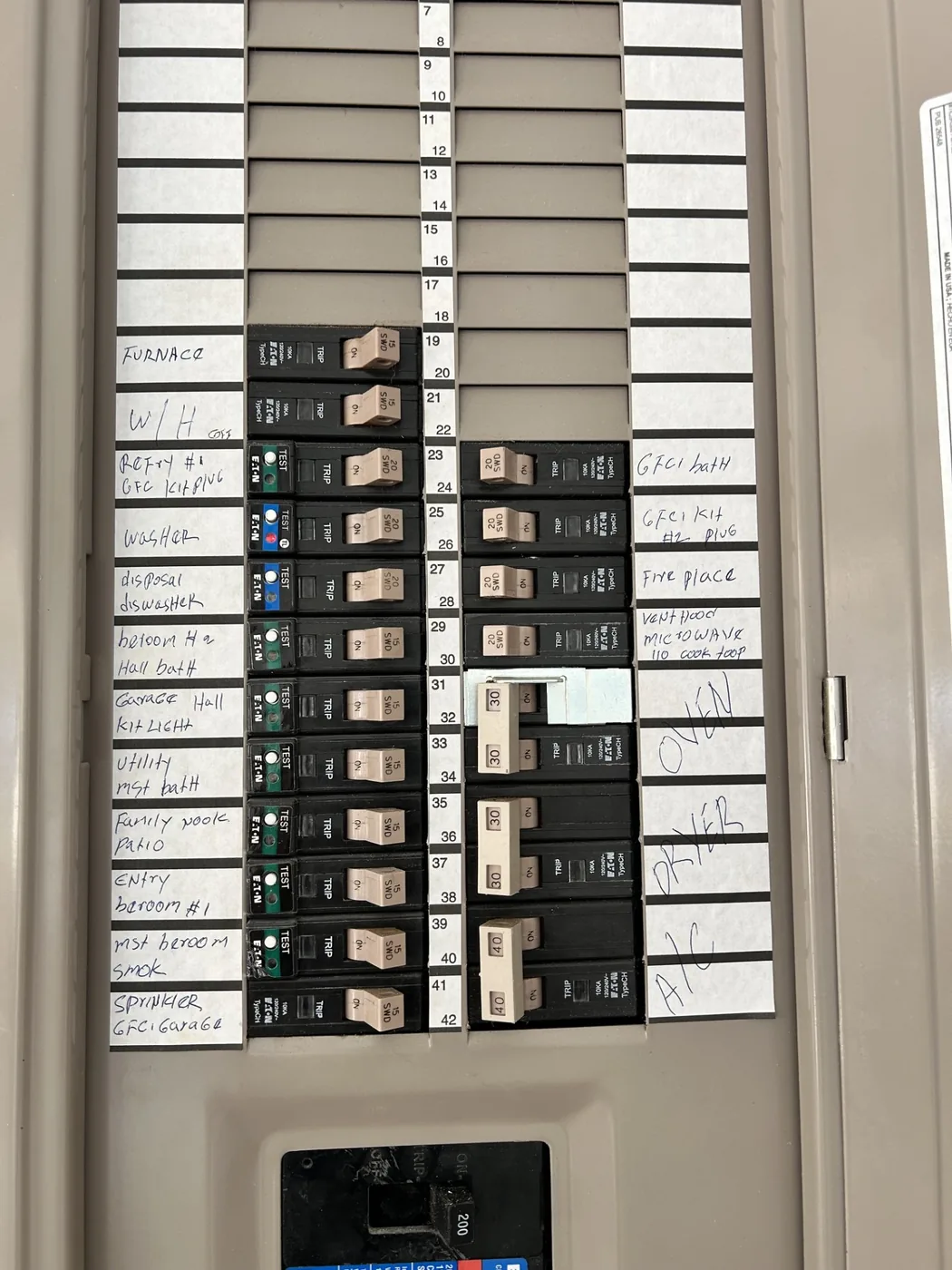
What to know
A breaker that trips is often doing its job. It opens the circuit when current or fault conditions become unsafe.
What to check
Possible failure signs include a loose handle, cracking, discoloration, buzzing, unusual heat, failure to reset, or nuisance trips under a normal verified load.
How to approach it
Unplug devices, reset the breaker fully OFF and then ON, and reconnect appliances one at a time. A specific appliance or total circuit load may be the real cause.
Common warning signs
Never install a higher-amperage breaker to stop tripping. The conductor size and circuit design determine the correct rating.
When to stop
Panel work can expose energized components even when the main is off. Burning odor, scorching, smoke or sparking calls for immediate professional help.
Common mistakes
- Replacing parts before identifying the cause
- Skipping measurements or manufacturer instructions
- Using fasteners or materials not rated for the application
- Closing the repair before checking for hidden damage
Most breakers are replaced too quickly. First ask what changed on the circuit: a new appliance, moisture, a damaged cord, a loose outlet or added load.
Prefer to have it handled?
My Neighborhood Handymen serves Rockwall, Heath, Fate, Rowlett, Royse City, McLendon-Chisholm and nearby North Texas communities.
Request a Free EstimateThis guide provides general homeowner information. Local code, permits, licensing and site conditions may affect the correct approach.